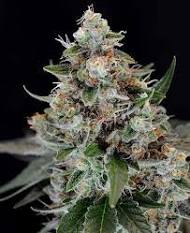
JILLYBEAN - Each
Cannabinoid Profile:
Jillybean is widely considered an easy-to-grow strain that is resilient and forgiving for beginners. Originally bred by MzJill (of TGA Subcool Seeds), it is a sativa-dominant hybrid created from a cross between Orange Velvet and Space Queen.
Growth Characteristics
Structure: It typically grows into a short, bushy plant with heavy side-branching. Some phenotypes may grow taller with less lateral stretch.
Height: Indoors, expect a manageable height of 2.6 to 5 feet. Outdoors, it can also reach up to 5 feet.
Appearance: Features lime-green foliage with vibrant orange hairs. Cooler nighttime temperatures can induce striking dark burgundy to maroon hues.
Cultivation Requirements
Climate: Prefers stable temperatures between 68°F and 80°F (20°C–27°C). It thrives in Mediterranean-like climates with low humidity.
Feeding: Jillybean can be a heavy feeder during the vegetative stage.
Veg: High Nitrogen (N) for leafy growth.
Flower: Switch to Phosphorus (P) and Potassium (K) rich "bloom" nutrients.
Training: Highly recommended to top the plant once to promote a multi-headed bush. It is ideally suited for SOG (Sea of Green) or SCROG (Screen of Green) methods.
Odor Control: Produces a powerful sweet and fruity aroma (orange, mango, pineapple) that often requires a carbon filter.
Flowering & Yield
Flowering Time: Typically 7 to 9 weeks (approx. 56–63 days).
Yield: Known for high yields, producing nearly 300 grams per square meter indoors under optimal conditions.
Harvest Tip: Use a jeweler's loupe to check trichomes; harvest when they are mostly milky-white with a hint of amber.
Potential Challenges
Mold Risk: Because the buds are extremely dense, high humidity (above 40% in late flower) can lead to mold. Ensure good airflow.
Structural Support: The branches can become very heavy with large colas and may require support like bamboo stakes or trellis netting.
$16
Price per unit
$16
Price per unit